
Venous disease, like many of the most prevalent chronic conditions affecting modern populations, is substantially influenced by modifiable lifestyle factors. While genetic predisposition plays a role, vascular specialists are clear that lifestyle choices have a meaningful impact on both the development and the progression of venous insufficiency. For individuals who have not yet developed significant venous disease, lifestyle optimization offers a genuine opportunity to prevent or substantially delay its onset.
Physical activity is the most powerful lifestyle factor influencing venous health. The muscle pump mechanism — which provides a substantial proportion of the driving force for venous return — is activated only during muscular contraction. Regular walking, cycling, swimming, and other activities that involve sustained lower limb muscular activity maintain the pumping efficiency that venous return depends upon. Sedentary individuals who spend the majority of the day sitting or standing statically effectively disable this pump, placing their venous systems under continuous hemodynamic stress.
Body weight management is the second most important lifestyle factor. As discussed previously, obesity increases intra-abdominal pressure, places greater mechanical load on leg veins, and creates a metabolic and inflammatory environment that accelerates venous disease progression. For overweight individuals with early venous symptoms, weight reduction can produce meaningful improvements in venous hemodynamics and symptomatic relief, sometimes delaying or avoiding the need for interventional treatment.
Nutritional factors also play a supporting role. A diet rich in bioflavonoids — found in citrus fruits, berries, dark chocolate, and tea — may support vein wall integrity and reduce capillary permeability. Adequate dietary fiber reduces the risk of constipation and straining, which can acutely elevate intra-abdominal pressure and retrograde venous pressure. Sodium restriction reduces fluid retention that compounds venous swelling. While no dietary approach substitutes for medical treatment of established venous disease, good nutritional habits support overall vascular health.
Practical workplace and daily habit modifications can also make a meaningful difference. Taking regular walking breaks during sedentary work, performing calf raises at standing workstations, elevating the legs during breaks, and using compression hosiery during prolonged standing or sitting are all simple interventions that reduce daily venous stress. For individuals with a family history of venous disease or other risk factors, implementing these habits proactively — before symptoms develop — represents a genuine investment in long-term vascular health.
How a Simple Lifestyle Change Could Protect Your Legs From Vein Disease
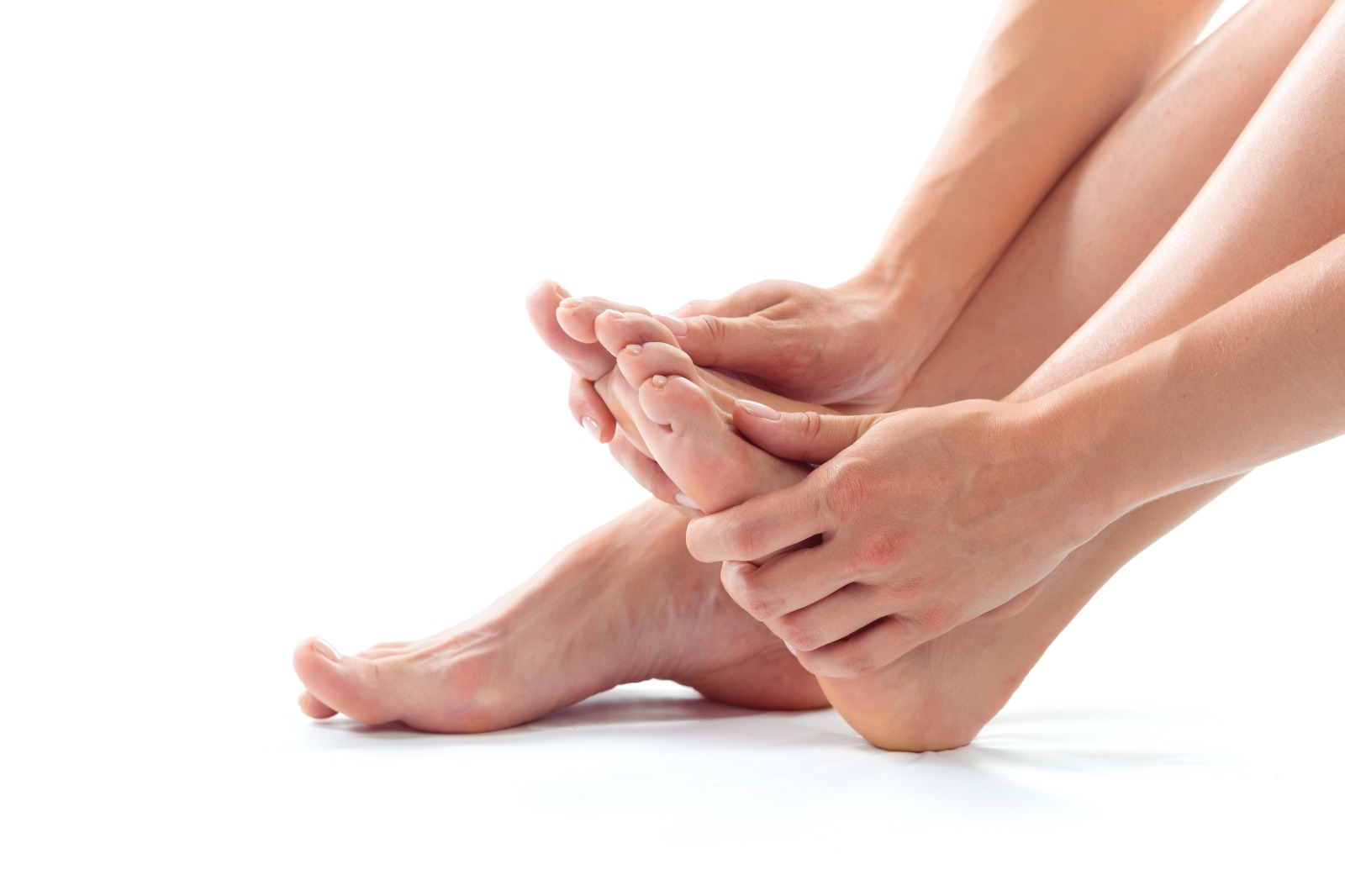
Picture Credit: www.freepik.com
52