
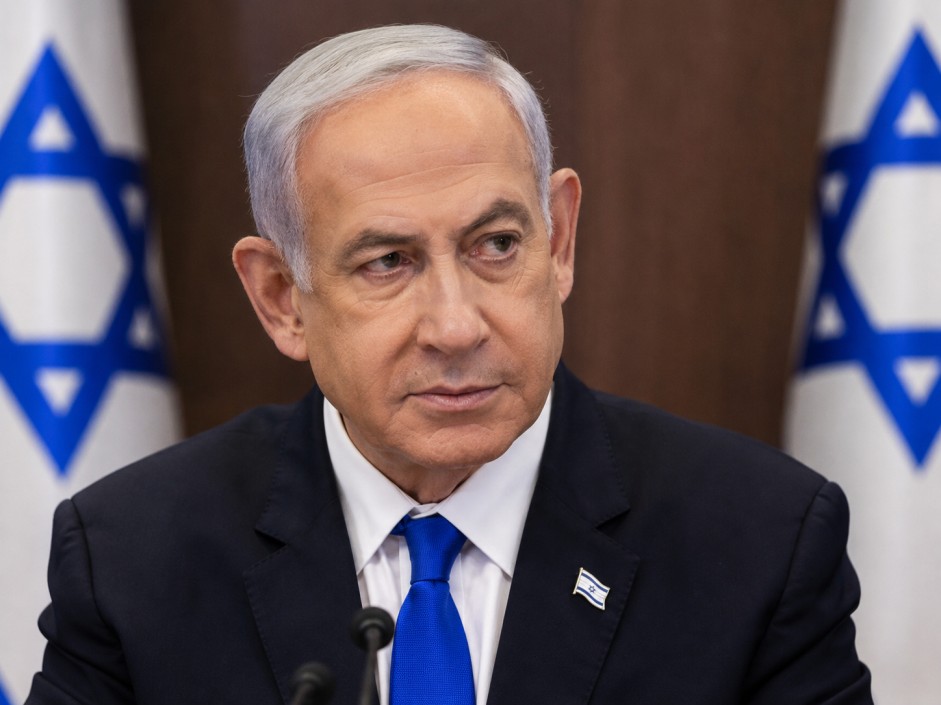
In a firm declaration during an event in Dimona, Israeli Prime Minister Benjamin Netanyahu cautioned Iran against launching any future attacks on Israel, promising a military response that would be significantly more forceful than previous operations. Netanyahu emphasized Israel’s readiness to handle any scenario and highlighted the country’s commitment to acting decisively against any threats to its security.
This warning comes amid heightened tensions across the Middle East, marked by renewed hostilities between the United States and Iran. The situation has escalated with Iran conducting attacks on several US allies in the region, while reports have surfaced of explosions at various sites within Iran. These developments have further strained regional stability and underscored the volatile dynamics at play.
In a related move, the United States has adjusted its policy concerning the Strait of Hormuz. President Donald Trump has decided to abandon plans for a proposed transit fee, choosing instead to focus on future trade and investment deals with Gulf countries. This shift in policy reflects ongoing efforts to navigate the complex geopolitical landscape and forge stronger economic ties in the region.
In response to increased security risks, the European Union Aviation Safety Agency (EASA) has updated its guidance, advising airlines to steer clear of the airspace over several Gulf countries. These advisories aim to ensure the safety of commercial flights amid the rising tensions. Meanwhile, diplomatic initiatives are underway, with regional mediators working diligently to defuse the situation and revive negotiations aimed at reducing hostilities.