
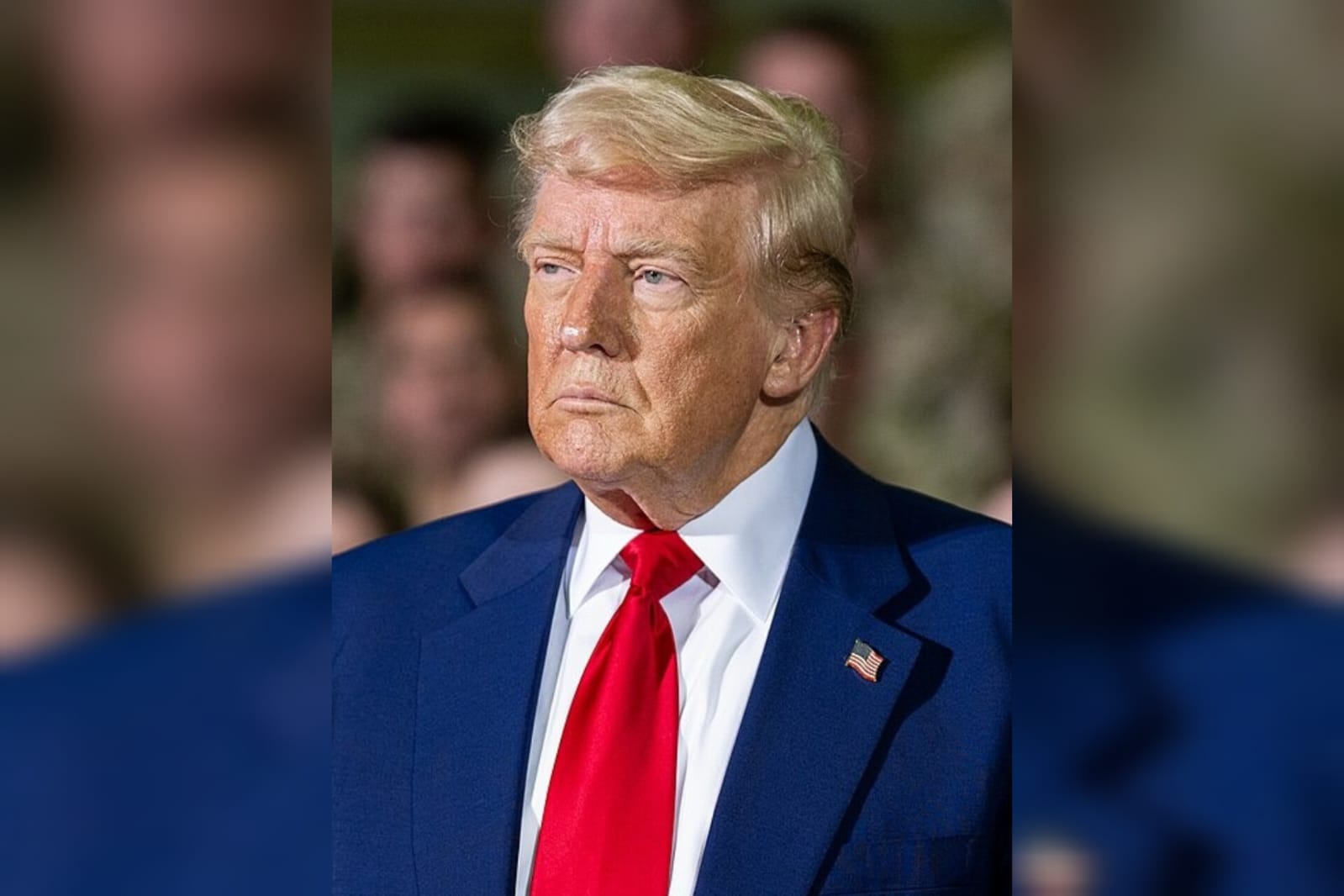
In a significant diplomatic development, U.S. President Donald Trump announced that a newly signed agreement between the United States and Iran substantially enhances Israel’s security by mitigating the threat of a nuclear attack. Trump conveyed to Israeli Prime Minister Benjamin Netanyahu that the 14-point memorandum, which includes key provisions concerning Tehran’s nuclear capabilities, effectively neutralizes Israel’s primary security concern. Describing the deal as a pivotal security assurance, Trump emphasized that it guarantees Israel will not face a nuclear threat, labeling this assurance as the “most important” outcome for the nation.
The agreement, which was preceded by direct discussions between Trump and Netanyahu, establishes a 60-day negotiation period focusing on Iran’s nuclear program. Additionally, it aims to reopen significant trade routes and ease certain sanctions, while also addressing broader regional stability issues. However, it leaves unresolved politically sensitive matters such as Israel’s military activities in Lebanon. Trump framed the accord as a protective measure bolstering Israel’s long-term security, asserting that Israel would regard the outcome favorably despite persisting regional tensions.
Reactions to the agreement within Israel have been mixed, reflecting a sharp division in public opinion. Critics argue that the easing of pressure on Iran could inadvertently bolster its regional influence, potentially undermining Israel’s strategic position. Conversely, proponents of diplomatic engagement suggest that the pact could help defuse the risk of a broader regional conflict, offering a pathway toward greater stability.
Amidst these developments, Israeli leadership is confronting domestic criticism over its regional policy strategies. Political opponents have criticized recent policy decisions, suggesting they may have involved strategic misjudgments. Despite the U.S. administration’s portrayal of the pact as a triumph for security, the full implementation and long-term ramifications of the agreement remain uncertain as negotiations continue to unfold.