
From the streets of Beirut to the mountains of Yemen, the “orphans of the revolution” are watching Tehran with a mix of dread and confusion. The Supreme Leader was the ultimate arbiter of disputes between various proxy factions. With his death, the carefully balanced “Axis of Resistance” is at risk of fragmenting into localized militias with no overarching strategy.
The IRGC’s Quds Force, which manages these groups, is now distracted by the internal power struggle in Tehran. This has led to a noticeable drop in coordinated attacks by groups like the Hashd al-Shaabi in Iraq and the Houthis. Without the “ideological glue” provided by the Leader, these groups may begin to prioritize their own local survival over Tehran’s regional goals.
In Lebanon, Hezbollah is facing its most significant challenge since the death of Hassan Nasrallah. The loss of their primary benefactor in Tehran has forced them to reconsider their stance on the northern border of Israel. If the new leader in Iran is less committed to the proxy model, these groups could find their funding and weapons supplies drying up overnight.
The “Axis” is currently a network without a central processor. While the IRGC vows to continue the conflict, the reality is that the logistical and spiritual heart of the movement has stopped beating. This provides a massive opportunity for regional rivals, such as Saudi Arabia, to reassert influence in areas previously dominated by Iran.
The transition in Tehran will ultimately decide the fate of millions in the Levant and the Gulf. If the new leader is a “military-first” candidate, we may see a more aggressive, less disciplined proxy war. If a more traditional cleric takes over, the proxy network may be scaled back to save the core of the Islamic Republic from total collapse.
Orphans of the Revolution: How Proxy Groups React to a Leaderless Tehran
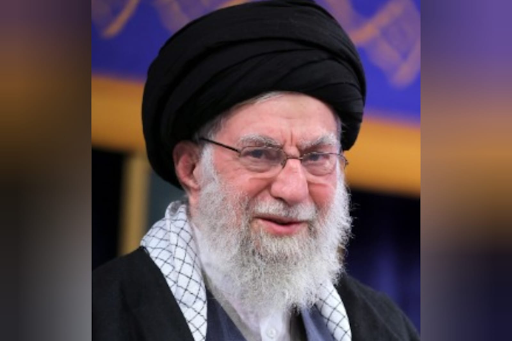
Photo by khamenei.ir, via wikimedia commons
47