
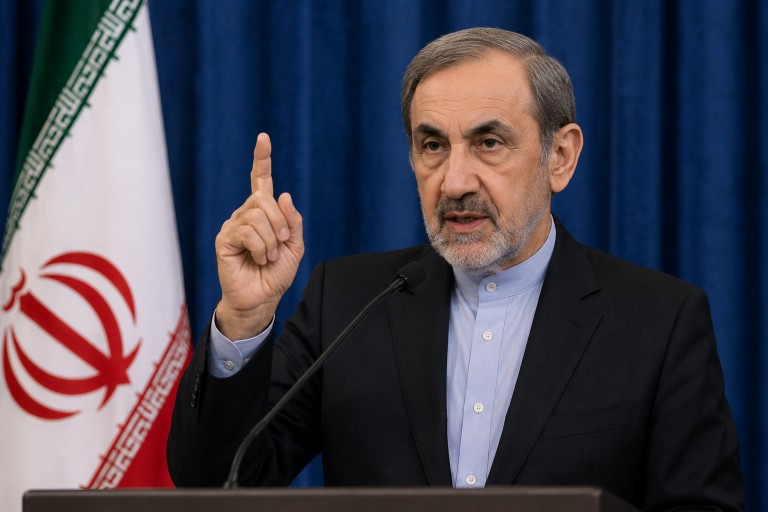
In a significant escalation of tensions, Iran has delivered a stern warning to the United States following President Donald Trump’s declaration that the interim agreement designed to ease hostilities between the two nations is now “over.” Ali Akbar Velayati, a prominent adviser to Iran’s supreme leader, accused the U.S. of stoking instability in the Gulf region. He emphasized that Trump’s decision has brought the area closer to conflict and cautioned that Iran stands ready to retaliate against any further military actions.
Velayati asserted that Iran is poised to respond, with its “finger on the trigger,” and will not remain passive in the face of perceived threats and provocations. The remarks came after Trump, speaking at a NATO summit, dismissed the ceasefire agreement as null and void, citing recent Iranian attacks on U.S. military installations in Bahrain and Kuwait. These altercations were part of a cycle of hostilities, which included U.S. strikes on Iranian positions following assaults on commercial vessels in the Strait of Hormuz.
President Trump further indicated that the possibility of additional U.S. military action against Iran remains on the table. He mentioned that American forces are prepared to conduct further strikes should Tehran persist in its aggressive actions. Trump also pointed out that significant Iranian assets, such as Kharg Island, could be considered potential targets in future military operations.
This latest series of threats and counter-threats has significantly diminished the prospect of reestablishing a ceasefire, heightening fears of an expanded conflict in the Gulf. The ongoing tensions continue to pose challenges to regional security and have implications for global energy markets, as the Gulf region plays a crucial role in worldwide oil supply.