
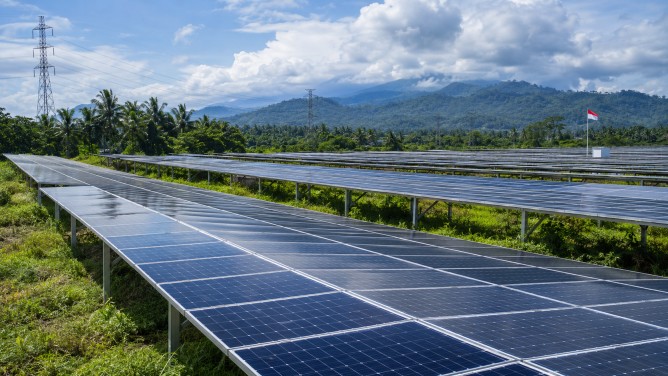
Indonesia is embarking on an ambitious plan to bolster its energy security with the development of solar power plants capable of generating a combined 100 gigawatts. This initiative, announced by Indonesian President Prabowo Subianto, is part of a broader strategy to transition the country towards renewable energy sources and reduce reliance on imported fuels.
President Prabowo shared this vision during the 29th ASEAN-Japan Summit in Manila, where he underscored the importance of strengthening national resilience in energy, food, and water management. As part of this effort, Indonesia is also introducing a 50% biodiesel blend (B50) and expanding bioethanol production. These measures aim to mitigate the impact of geopolitical tensions and fluctuations in global energy markets on the country.
In addition to outlining Indonesia’s energy initiatives, President Prabowo called for enhanced cooperation between ASEAN countries and Japan in the fields of renewable energy, energy diversification, and scientific and technological advancements. He emphasized that Japan’s experience in clean energy development presents an opportunity to bolster bilateral relations and collaboration with Indonesia.
The push for renewable energy aligns with Indonesia’s long-term goals of achieving greater energy independence and sustainability. By investing in solar power and biofuel technologies, the country aims to create a more resilient and self-sufficient energy infrastructure that can withstand external pressures.
President Prabowo’s announcement comes at a critical time as countries around the world are seeking to diversify their energy sources and reduce carbon emissions. The collaboration between ASEAN and Japan could serve as a model for international cooperation in the pursuit of sustainable energy solutions.