
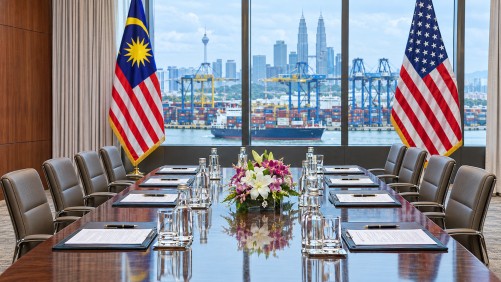
Malaysia is actively negotiating with the United States to ensure that proposed tariffs under the Section 301 investigation remain below 19%. This comes amid U.S. scrutiny of alleged overcapacity in manufacturing among its trading partners, including Malaysia. The country’s Ministry of Investment, Trade and Industry emphasized that the proposed tariff rates are preliminary and not yet finalized, with a decision expected in the first quarter of 2027.
The U.S. investigation targets manufacturing overcapacity in several countries, namely Malaysia, Cambodia, Indonesia, Thailand, and Bangladesh. Malaysia, in response, is keen to secure a more favorable tariff rate to safeguard its exporters and maintain a conducive environment for business and investment. The ministry has refuted claims that its manufacturing capacity could disrupt global markets, underscoring its commitment to ongoing engagement with U.S. officials.
In addition to negotiating tariffs, Malaysia is reviewing imports from third countries to ensure that its trade practices do not exacerbate global manufacturing overcapacity. This proactive stance is part of the country’s broader strategy to address concerns raised by the U.S., while also protecting its economic interests.
Meanwhile, a 10% duty on certain goods remains in place, having been introduced on July 24 as part of measures related to forced labor allegations. The Malaysian government continues to monitor and adapt its trade policies in light of these ongoing international discussions.
The outcome of these negotiations is crucial for Malaysia’s economic stakeholders, as securing a lower tariff rate would help mitigate potential impacts on the country’s export-driven sectors. The dialogue between Malaysia and the United States exemplifies the complexities of international trade relations and the balancing act required to address concerns while fostering economic growth.