
The British Steel plant at Scunthorpe has been on a rollercoaster in 2025, from facing permanent closure in April to being the centrepiece of a new government-led green transition. Business Secretary Peter Kyle is now backing a shift to electric arc furnaces (EAFs) for the site.
In April, the government “recalled parliament” to take emergency control, fearing the site’s Chinese owner, Jingye Steel, “was planning to close it permanently.” This move saved as many as 2,700 jobs from immediate extinction.
Now, after months of state control, a new, long-term vision is emerging. Kyle, as part of a December steel strategy, is “keen to see that transition happen” to EAFs. This would secure the plant’s future production, but it introduces a new kind of uncertainty for the workforce.
The green plan, while saving the plant, threatens the jobs of the thousands who operate its blast furnaces. The Tata Steel EAF switch at Port Talbot, which cost 2,500 jobs, is the precedent everyone fears.
The plan also marks a pivot away from the government’s original goal of saving “primary steelmaking.” This has forced a search for a costly hydrogen-based compromise (DRI), which industry insiders doubt is financially viable. For Scunthorpe’s workers, the crisis has shifted from one of closure to one of transformation.
From Jingye’s Closure Threat to Kyle’s Green Plan: Scunthorpe’s Rollercoaster Year
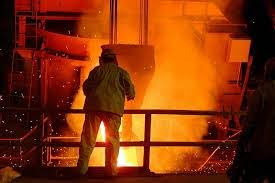
Picture credit: www.rawpixel.com
32
previous post